

Introduction
High-altitude areas present unique challenges for power generation due to lower oxygen levels and colder temperatures. Diesel generators are a popular choice for providing reliable power in such environments. In this comprehensive guide, we will explore the considerations, advantages, and best practices for using diesel generators in high-altitude operations.
Understanding High-Altitude Operation
High-altitude regions are typically defined as areas above 5,000 feet (1,524 meters) above sea level. At these elevations, the air is thinner, which affects engine performance and combustion processes. Diesel generators rely on a combination of air, fuel, and compression to generate power, making them sensitive to changes in atmospheric conditions.
Challenges of High-Altitude Operation
1. Reduced Oxygen Levels: The primary challenge of high-altitude operation is the reduced oxygen levels. Diesel engines require oxygen for combustion, and the lower oxygen levels at higher altitudes can lead to incomplete combustion, decreased power output, and increased fuel consumption.
2. Cold Temperatures: High-altitude areas are often characterized by cold temperatures, which can impact the performance and reliability of diesel generators. Cold temperatures can affect fuel viscosity, battery performance, and overall engine efficiency.
3. Reduced Air Density: At higher altitudes, the air density is lower, which can affect the engine's intake of air for combustion. This can lead to decreased power output and efficiency.
Considerations for High-Altitude Diesel Generators
1. Engine Design: When selecting a diesel generator for high-altitude operation, it is essential to consider the engine design. High-altitude engines are specifically designed to compensate for the reduced oxygen levels and ensure optimal performance at higher altitudes.
2. Cooling System: The cooling system of a diesel generator is crucial for maintaining optimal operating temperatures, especially in high-altitude environments where temperatures can fluctuate significantly. Ensure that the cooling system is designed to handle the challenges of high-altitude operation.
3. Fuel System: The fuel system of a diesel generator should be optimized for high-altitude operation to ensure efficient combustion and performance. Consider using high-quality fuel additives to improve combustion efficiency and prevent fuel gelling in cold temperatures.
4. Air Intake System: The air intake system plays a critical role in delivering the required oxygen for combustion in a diesel engine. In high-altitude environments, it is essential to ensure that the air intake system is designed to compensate for the lower air density and provide sufficient oxygen to the engine.
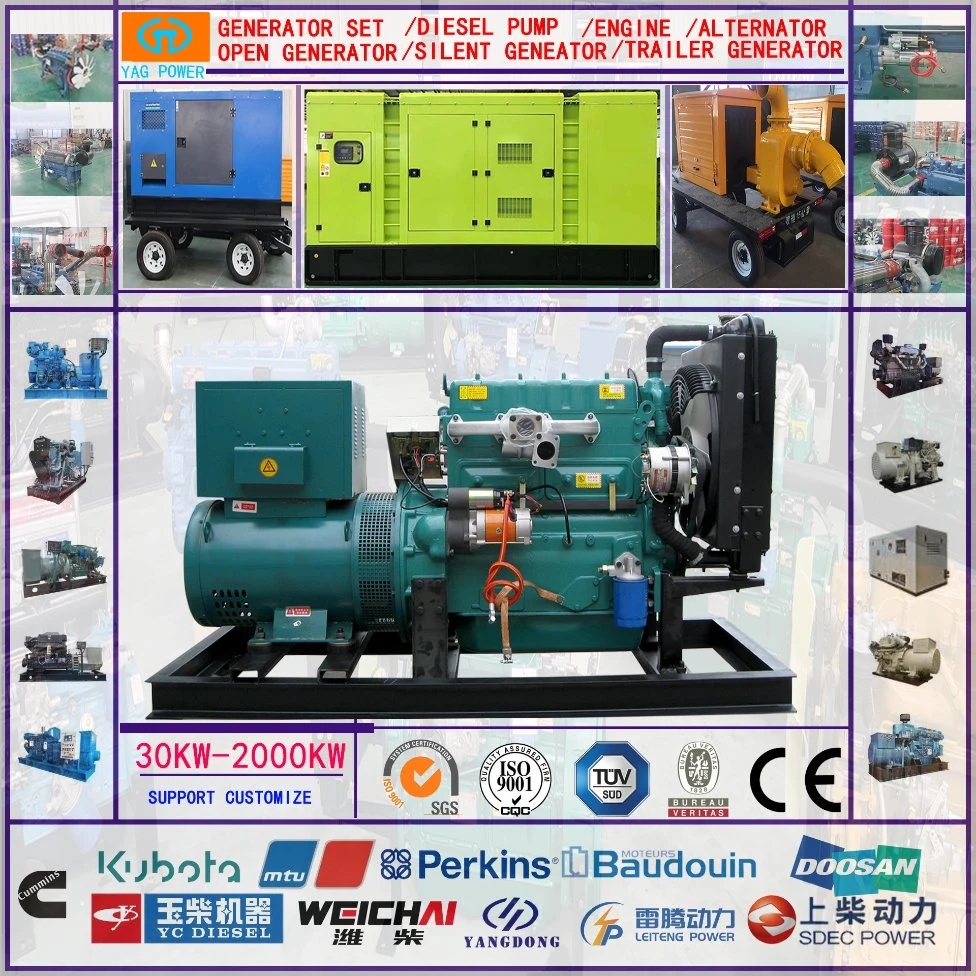
Advantages of Diesel Generators for High-Altitude Operation
1. Reliability: Diesel generators are known for their reliability and durability, making them an ideal choice for high-altitude operations where power outages can be more frequent. Diesel engines are robust and can withstand the challenges of operating in extreme conditions.
2. Fuel Efficiency: Diesel engines are more fuel-efficient compared to other types of generators, making them a cost-effective choice for high-altitude operations where fuel costs can be significant. The efficient combustion process of diesel engines helps optimize fuel consumption.
3. Power Output: Diesel generators are capable of providing high power output, making them suitable for powering critical infrastructure and equipment in high-altitude areas. The robust design of diesel engines allows them to deliver consistent power even at higher elevations.
https://www.lkpowerplant.com/160kw-400kw/ for Operating Diesel Generators at High Altitudes
1. Regular Maintenance: Regular maintenance is essential for ensuring the optimal performance of diesel generators in high-altitude environments. Schedule routine inspections, oil changes, and filter replacements to keep the generator running smoothly.
2. Monitor Oxygen Levels: Monitoring the oxygen levels in high-altitude environments can help identify any issues with combustion efficiency and power output. Consider installing oxygen sensors to track the air-fuel ratio and make adjustments as needed.
3. Cold Weather Precautions: In cold climates, take precautions to prevent fuel gelling and ensure the proper functioning of the battery. Use cold-weather additives in the fuel and keep the battery charged to maintain reliable operation in low temperatures.
4. Altitude Adjustments: Some diesel generators come with altitude adjustment features that allow you to optimize engine performance based on the elevation. Adjust the settings as needed to compensate for the reduced oxygen levels and ensure efficient combustion.
Conclusion
Diesel generators are a reliable and efficient power solution for high-altitude operations, where the challenges of reduced oxygen levels and cold temperatures can impact engine performance. By understanding the considerations, advantages, and best practices outlined in this guide, you can ensure the optimal performance of your diesel generator in high-altitude environments. With proper maintenance and adjustments, diesel generators can provide reliable power for critical infrastructure and equipment in even the most challenging conditions.